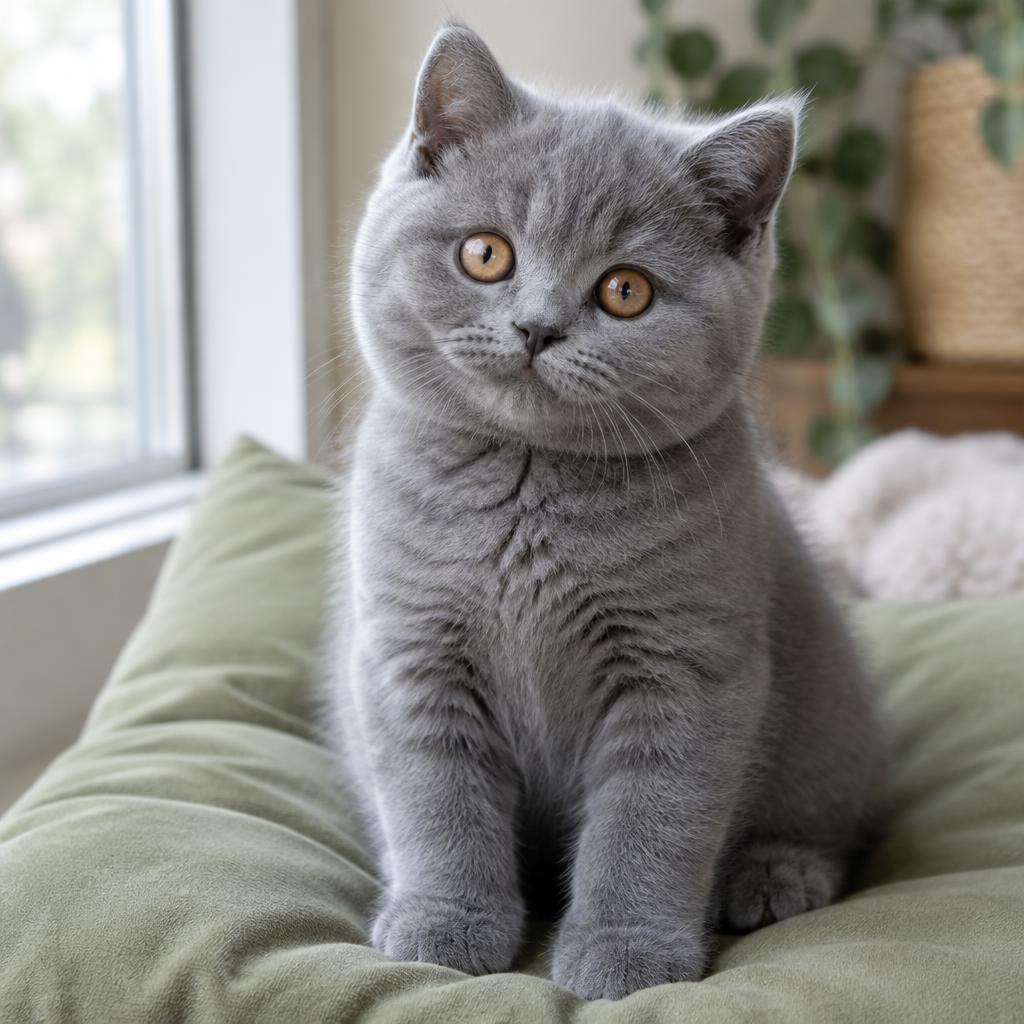
Otto
MaleBritish Shorthair · Classic blue
Calm, sturdy and unbothered — the perfect family teddy bear.
- Age
- 10 weeks
- Sex
- Male
Pedigree & full document pack included
View detailsAsk price on WhatsAppEmail enquiryBreed guide · British Shorthair
Round, plush, unhurried and quietly devoted — the British Shorthair is the easiest pedigree cat to live with, and the reason it has been Britain's favourite breed for over a century. Here is the full guide to colours, temperament, grooming and health, plus the males and females we have available right now.
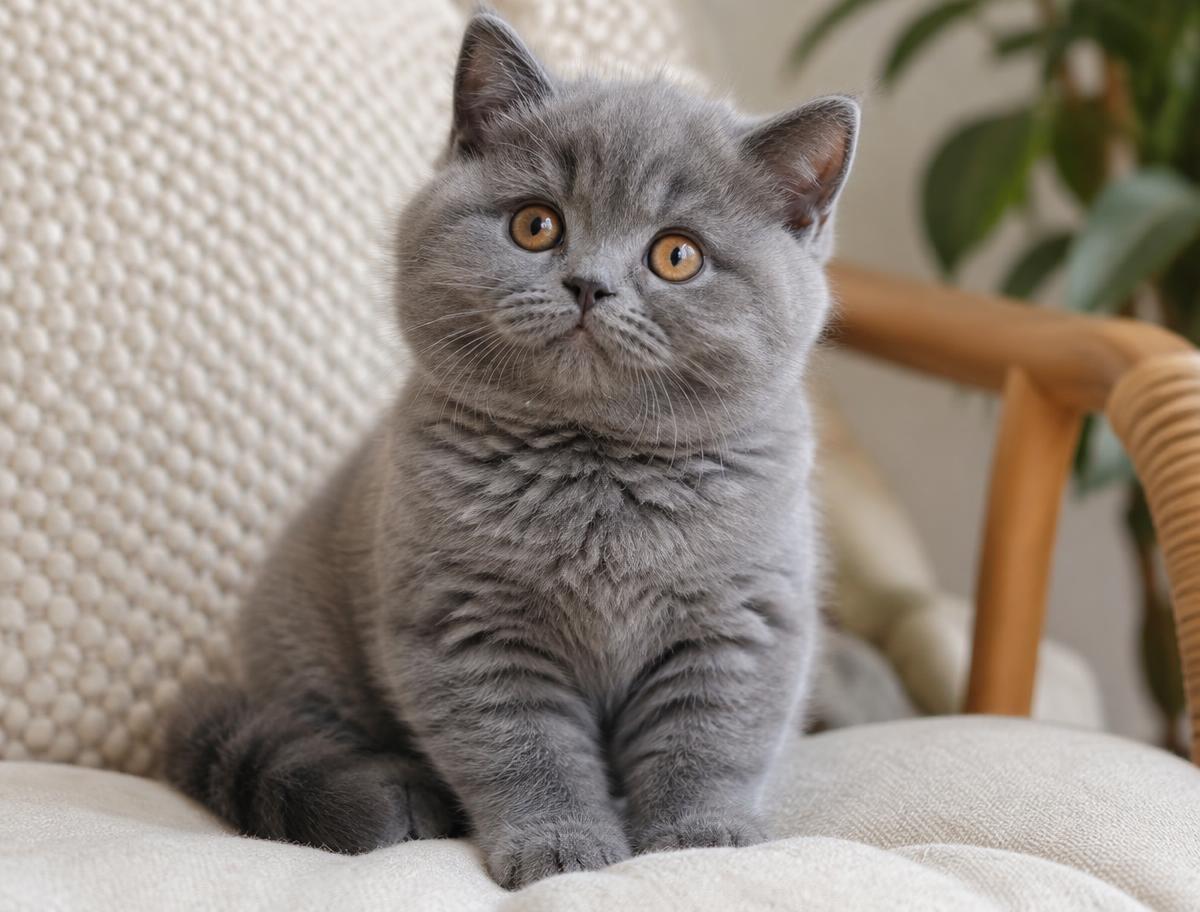
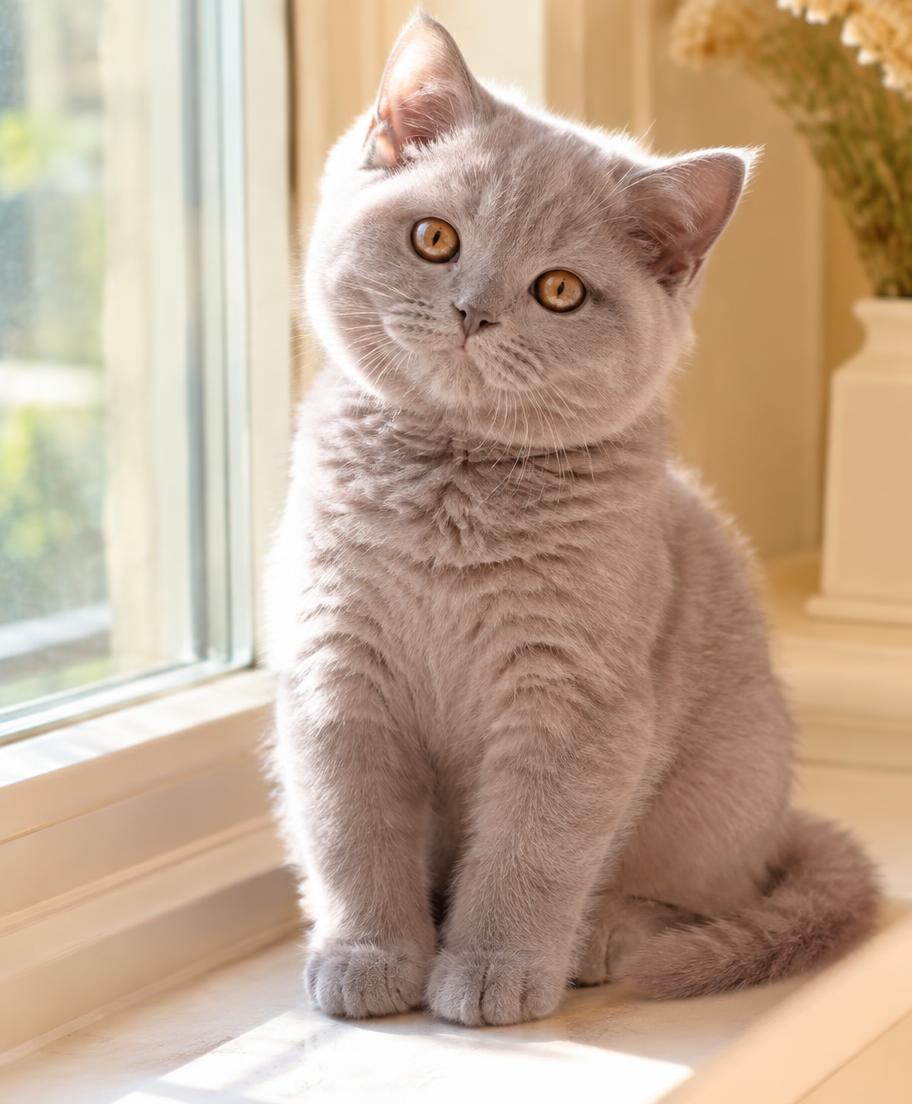
The British Shorthair descends from the sturdy working cats of Roman Britain, refined from the 1870s by breeders who selected for a dense coat, a round face and a calm nature. The blue variety became so dominant that the breed is still often called the "British Blue". After near-extinction during the two world wars the breed was rebuilt with careful outcrossing, and today it is the most registered pedigree cat in the United Kingdom. Our lines are GCCF and TICA registered and trace back to established British and European catteries.
Classic blue remains the signature: an even blue-grey coat with warm copper eyes. We also breed lilac (a soft frosted grey-pink), cream, black, blue and white bicolour, colourpoint, and the increasingly sought-after golden and silver shaded lines with green eyes and a dark eyeliner-like rim. Whatever the colour, the coat should be short, crisp and so dense that it stands slightly away from the body — the "plush" feel that makes the breed unmistakable.
British Shorthairs are the diplomats of the cat world: calm, tolerant, rarely vocal and almost never destructive. They are affectionate on their own terms — most prefer to sit beside you rather than on you, and many dislike being carried. They cope beautifully with apartment living, tolerate children who have been taught to be gentle, get along with dogs, and are content to be alone during a working day. Their one real need is portion control: the breed loves food and gains weight easily, so we send home a feeding plan with every kitten.
The dense double coat needs a comb once or twice a week, and daily during the spring moult, to prevent hairballs. Nails need clipping every few weeks. Because the face is broad and the eyes large, we wipe eyes gently as part of daily handling so kittens accept it easily. Nothing else about the breed is high maintenance — no clipping, no professional grooming, no special housing.
Our breeding cats are DNA-tested for PKD (polycystic kidney disease), echocardiogram screened for HCM, blood-typed to avoid neonatal isoerythrolysis, and FIV/FeLV negative. Kittens are vet-checked, twice vaccinated, wormed and microchipped before they leave. Well-bred British Shorthairs commonly live 14 to 20 years, making them one of the longest-lived pedigree breeds.
Males mature into impressively broad cats of 6 to 8 kg with the famous full cheeks, and are usually the more openly affectionate and laid-back. Females are daintier at 4 to 6 kg, a little more reserved with strangers and often the quicker learners. Both are neutered or spayed under our contract, and both are equally suited to family life.
British Shorthair · Classic blue
Calm, sturdy and unbothered — the perfect family teddy bear.
Pedigree & full document pack included
View detailsAsk price on WhatsAppEmail enquiry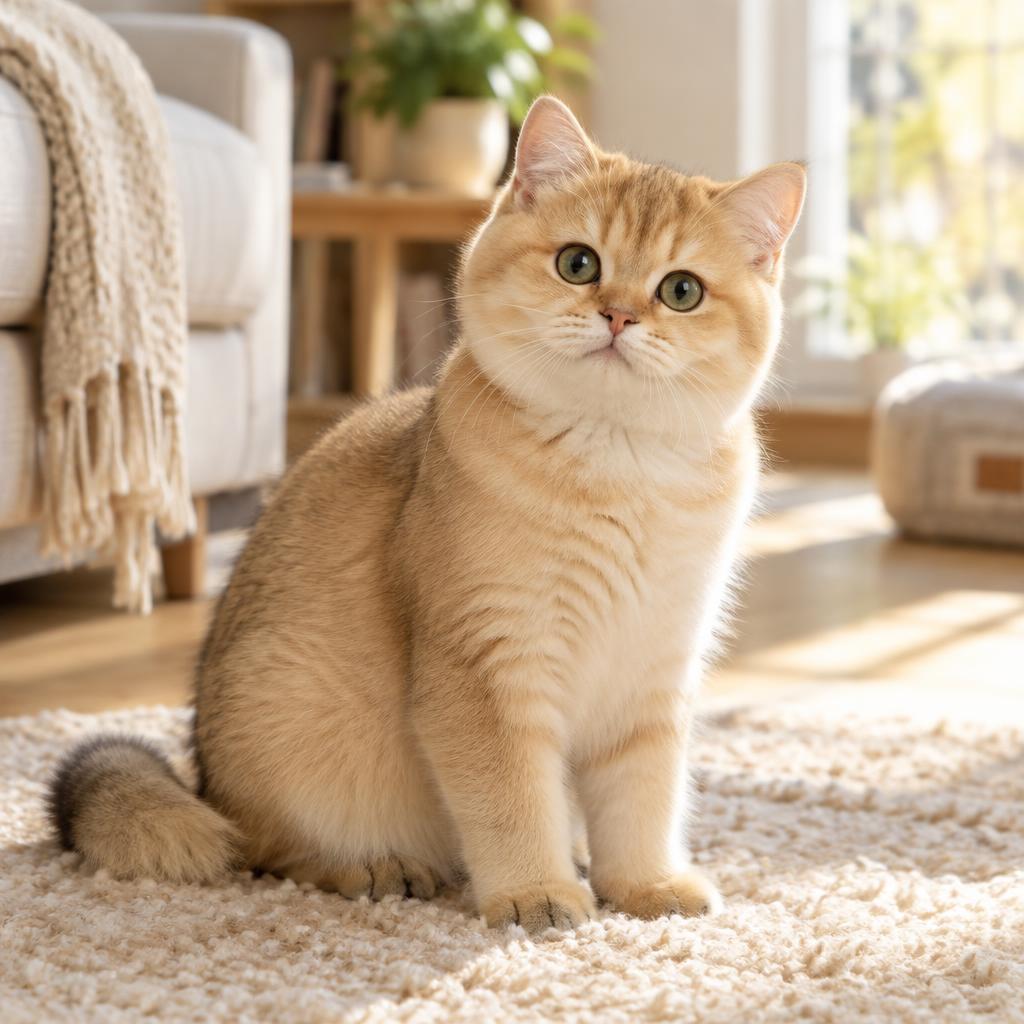
British Shorthair · Golden shaded
Sweet-natured and quietly affectionate, happiest beside you on the sofa.
Pedigree & full document pack included
View detailsAsk price on WhatsAppEmail enquiry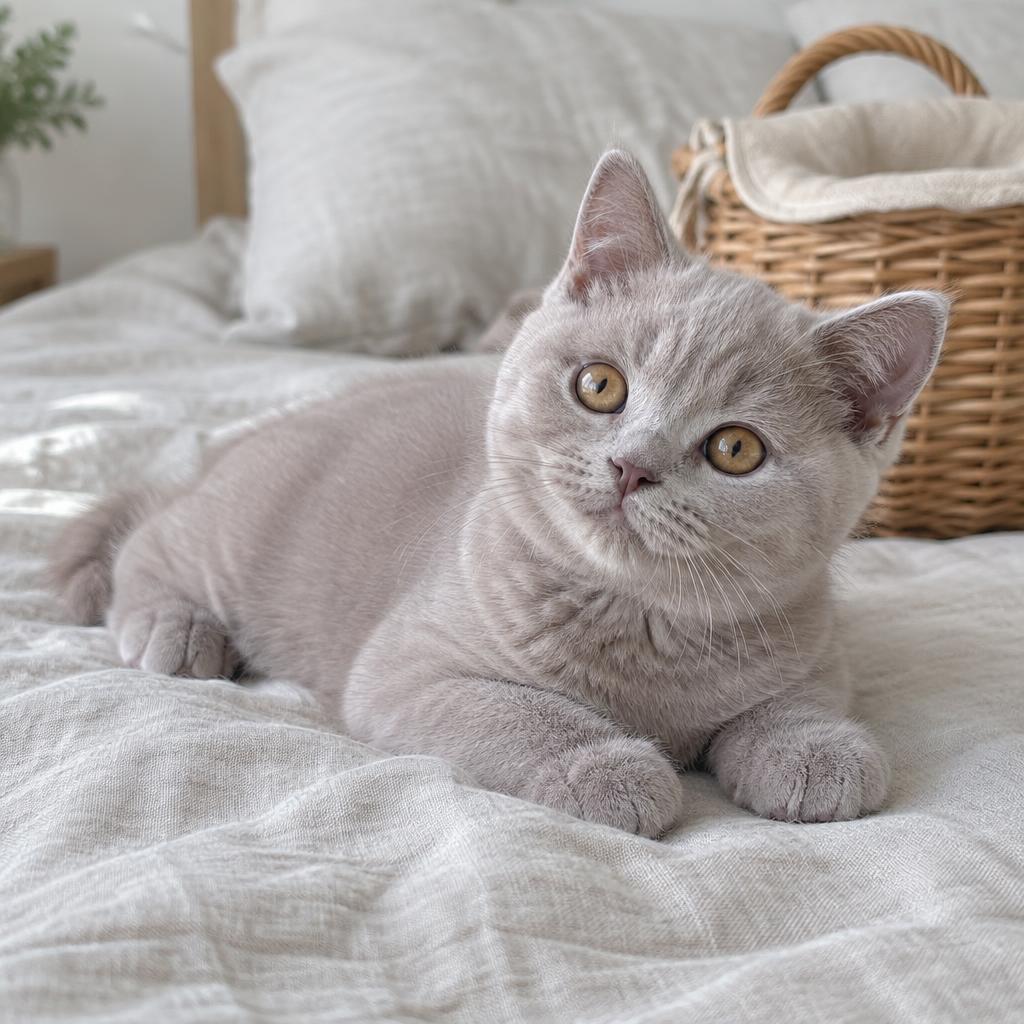
British Shorthair · Lilac
Dignified, patient and wonderful with children and older cats alike.
Pedigree & full document pack included
View detailsAsk price on WhatsAppEmail enquiry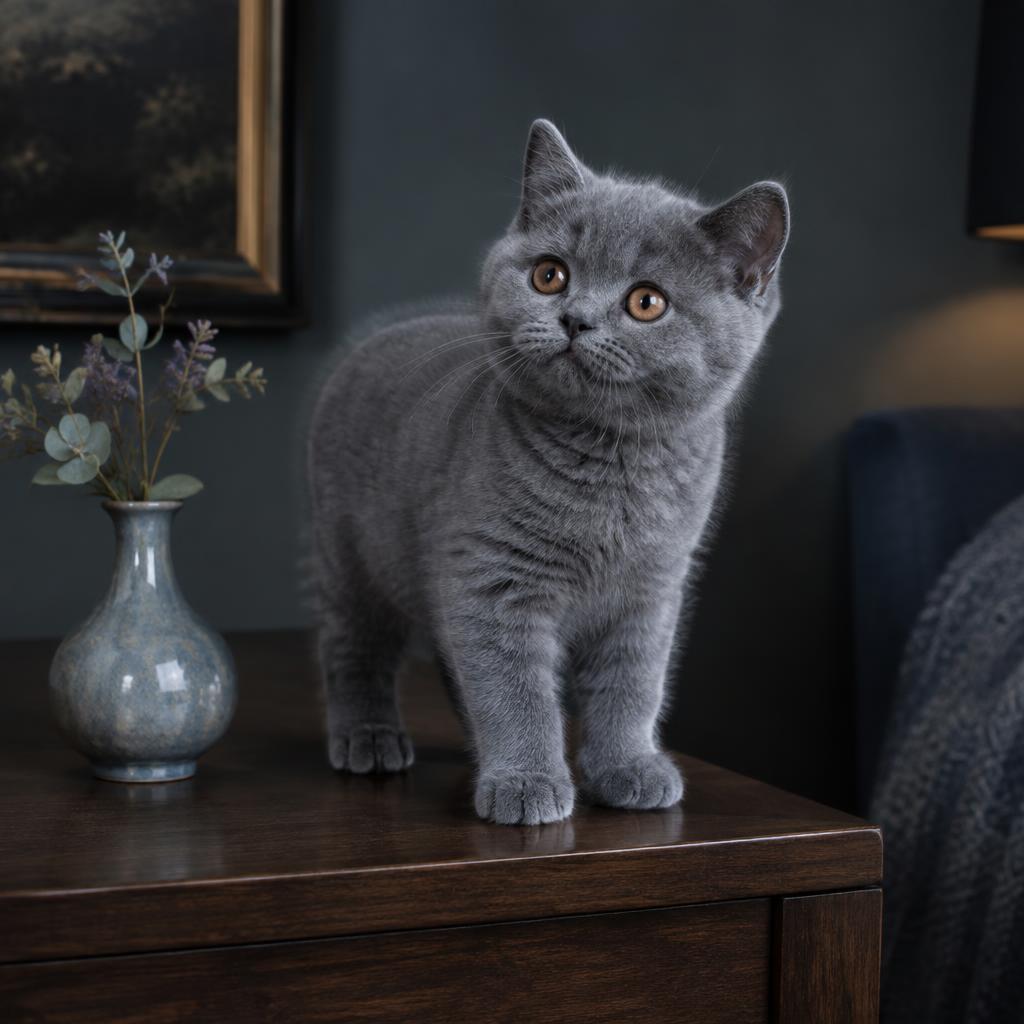
British Shorthair · Classic blue
Steady and patient, a gentle shadow who keeps watch over the house.
Pedigree & full document pack included
View detailsAsk price on WhatsAppEmail enquiry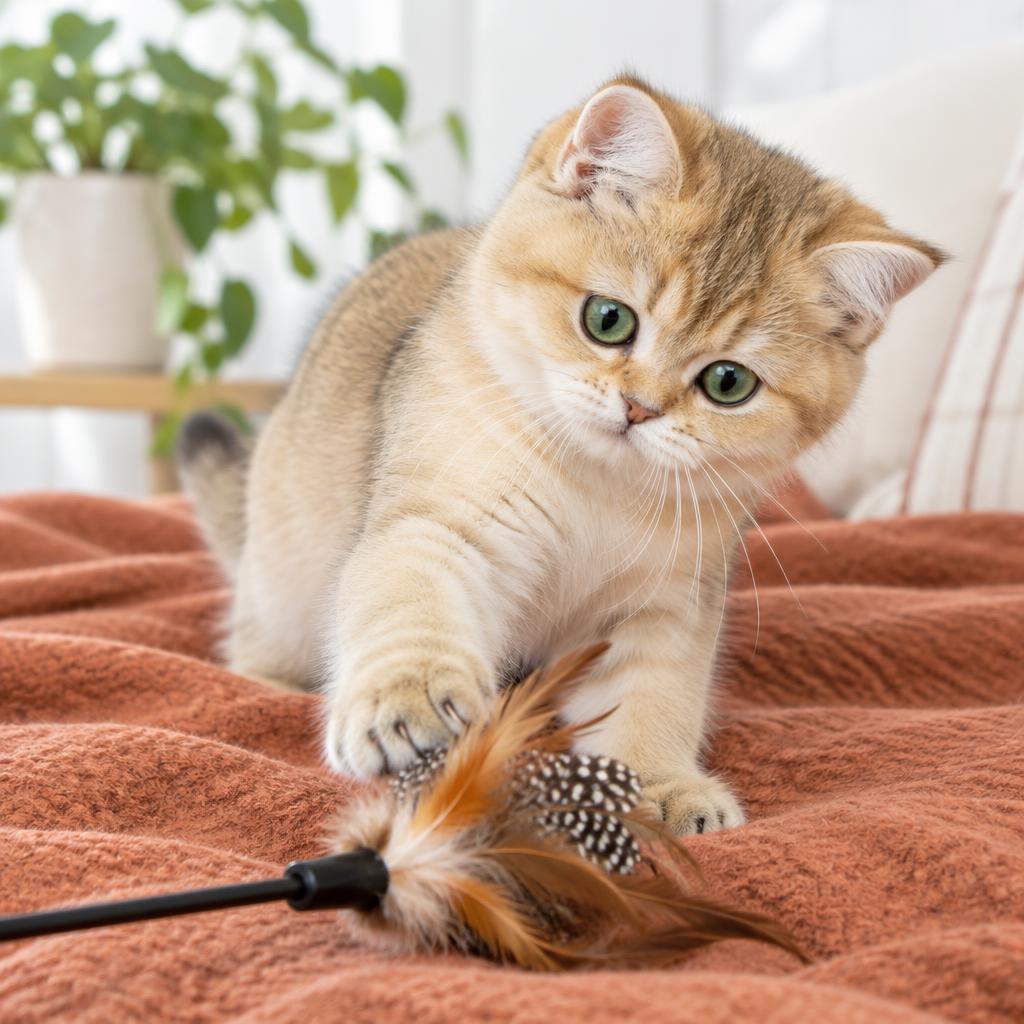
British Shorthair · Golden shaded
Bright and playful, with a soft purr that starts the moment you sit down.
Pedigree & full document pack included
View detailsAsk price on WhatsAppEmail enquiry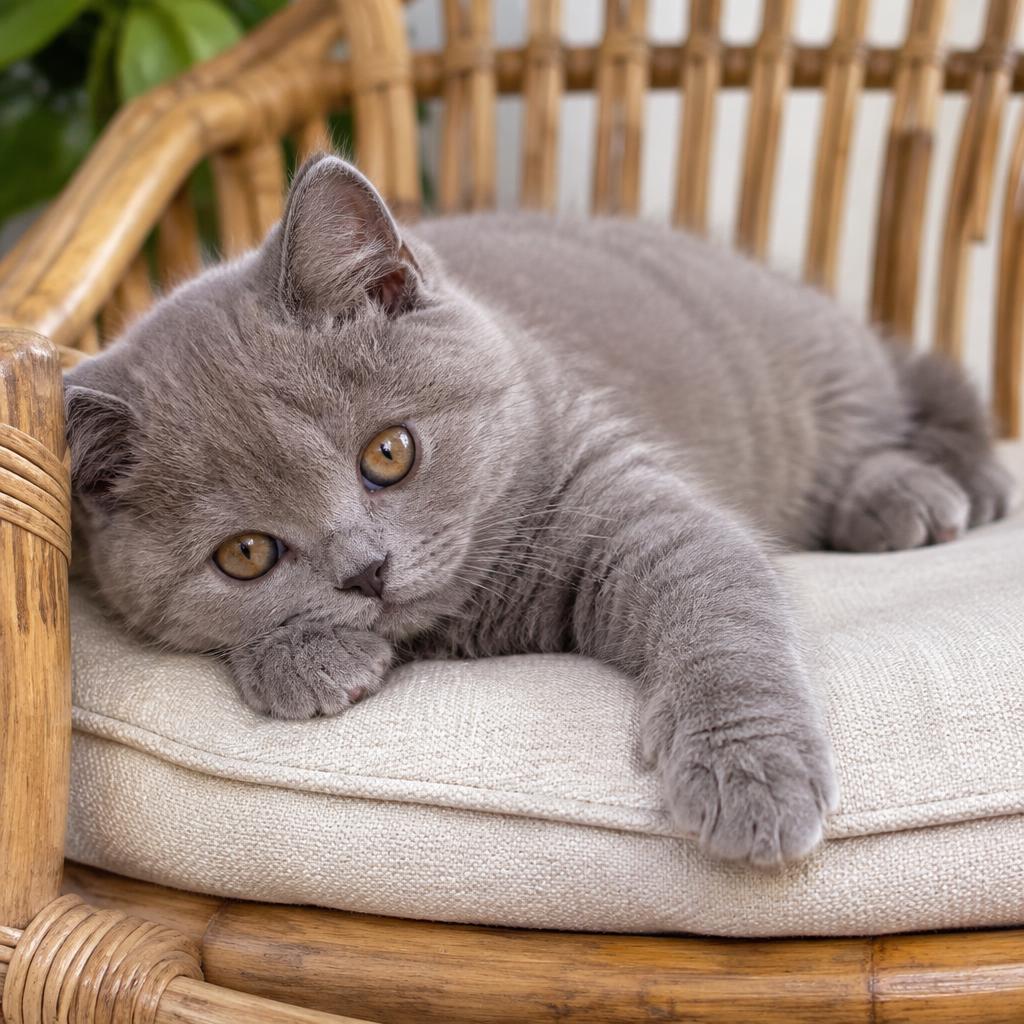
British Shorthair · Lilac
A laid-back little lion — unflappable, cuddly and endlessly tolerant.
Pedigree & full document pack included
View detailsAsk price on WhatsAppEmail enquiry