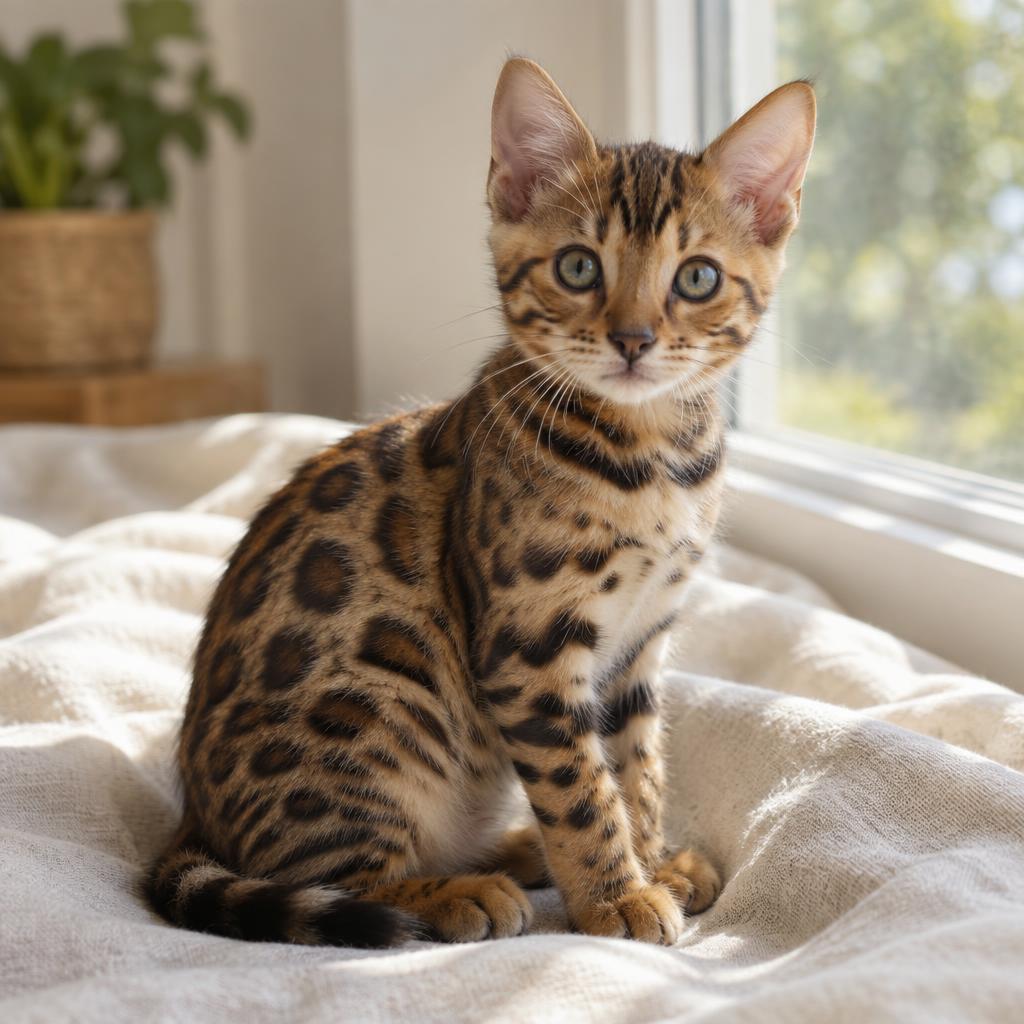
Kalindi
FemaleBengal · Brown rosetted
Bold, chatty and endlessly curious — she will follow you room to room.
- Age
- 12 weeks
- Sex
- Female
Pedigree & full document pack included
View detailsAsk price on WhatsAppEmail enquiryBreed guide · Bengal
The Bengal is the most striking domestic cat in the world — a wild-patterned coat over an athletic, affectionate house cat. Below is everything we tell every family before they reserve: history, coats, temperament, health and what daily life with a Bengal really looks like. Males and females are available now from all five of our locations.
The breed began in the 1960s and 70s when breeders in the United States crossed the small, spotted Asian leopard cat with domestic shorthairs, aiming to keep the wild markings in a cat with a house-pet temperament. Modern Bengals are many generations removed from that wild ancestor and are fully domestic; TICA accepted the breed for championship status in 1991. The kittens we sell are F5 and later, which means they are legal to own as ordinary pets in almost every country and behave like any other pedigree cat — only louder and busier.
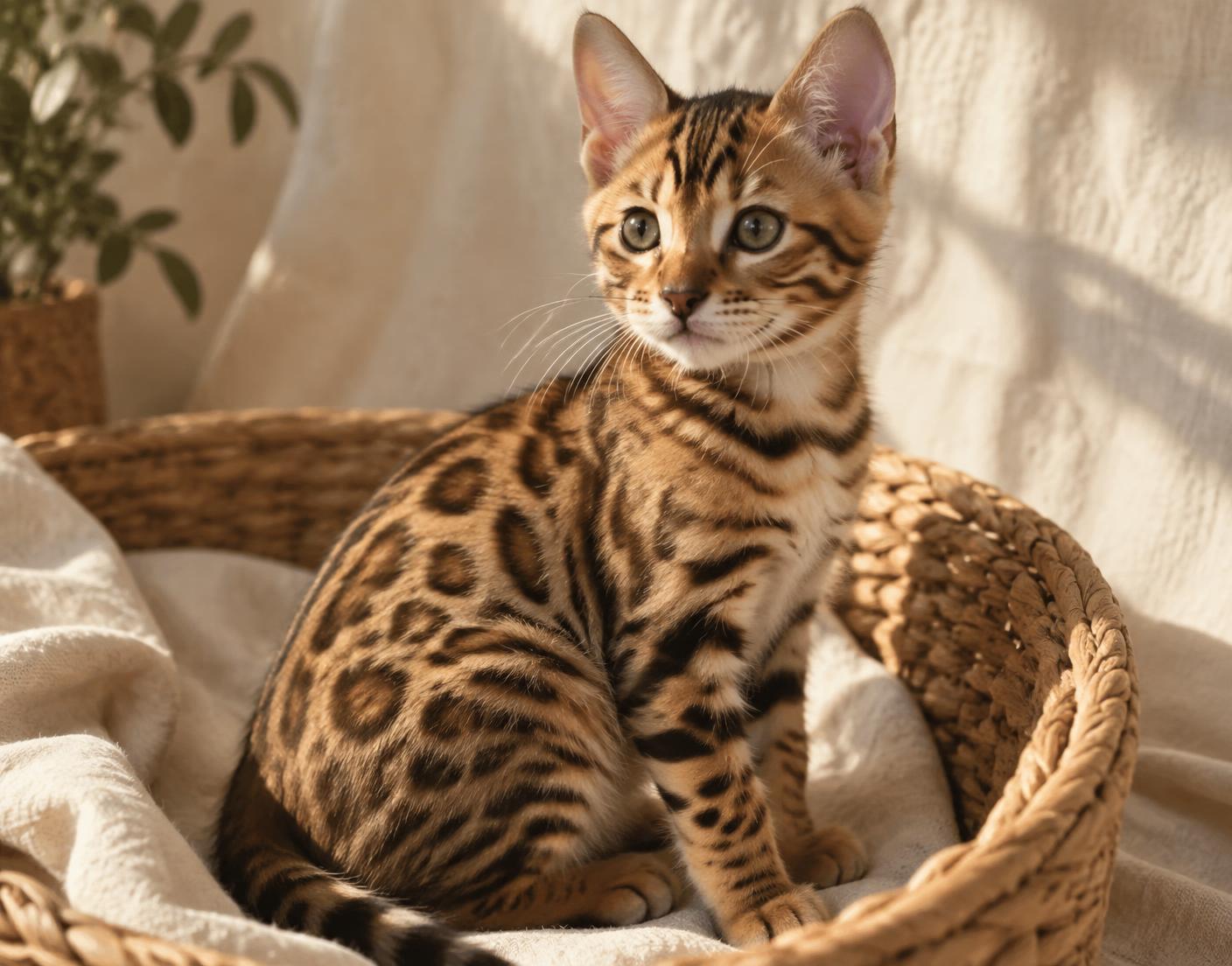
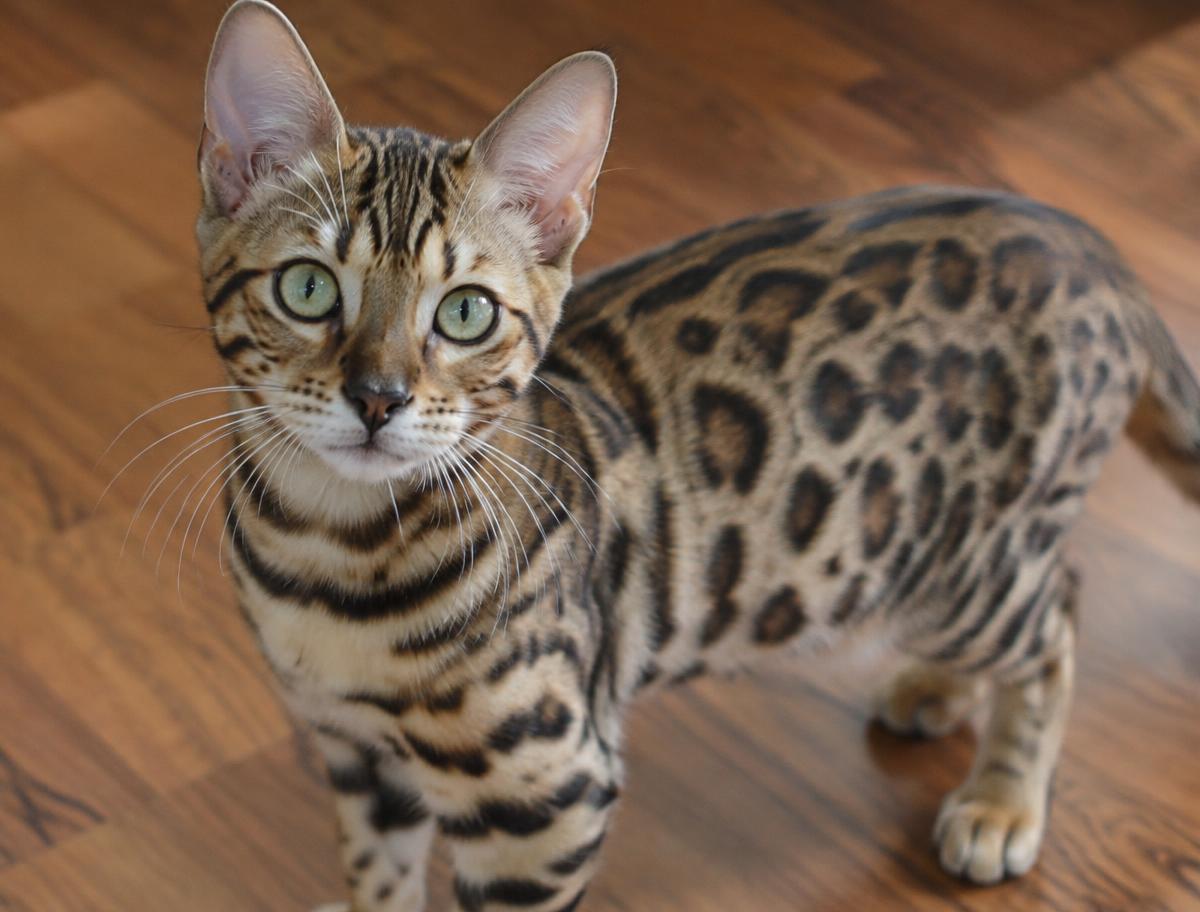
A Bengal's coat is unusually short, dense and silky, often with a genetic "glitter" that makes it look dusted with gold. We breed brown (the classic golden coat with black or chocolate markings), silver, charcoal and the three snow varieties — seal lynx point with blue eyes, seal mink and seal sepia. Patterns are either rosetted (donut, arrowhead or paw-print shaped markings with two tones) or marbled (flowing, horizontal swirls). Contrast matters more than colour: we select for a clear, uncluttered pattern on a warm background with a pale, spotted belly.
Bengals are confident, vocal and relentlessly curious. They will open cupboards, investigate running taps, retrieve a thrown toy for twenty minutes, learn to sit on command and greet you at the door. They bond intensely with their family and dislike being left alone all day, so a companion cat or a household with someone often at home suits them best. Give them height — a tall cat tree, shelves, a window perch — plus puzzle feeders and a daily play session, and you will have a calm, contented cat. Bengals also generally love water; do not be surprised by a paw in your bath.
Our breeding cats are echocardiogram-screened for HCM (hypertrophic cardiomyopathy) and DNA-tested for PRA-b, PK-Deficiency and erythrocyte pyruvate kinase deficiency, and are FIV/FeLV negative. Kittens are examined by our vet, receive two vaccinations and regular worming, and go home microchipped. Bengals are a robust breed with a 12–16 year lifespan; the most common issue we see is simple boredom, which is why we spend so long matching a kitten to the right household.
Bengal males grow larger — 5 to 7 kg — and are typically the more theatrical, playful and physically affectionate of the two. Females are usually 4 to 5 kg, a little more independent and often more focused on one person. Both are equally trainable and both are neutered or spayed under our contract. If you already have a cat at home, tell us its age and sex on WhatsApp and we will recommend which of our kittens will settle in most easily.
Bengal · Brown rosetted
Bold, chatty and endlessly curious — she will follow you room to room.
Pedigree & full document pack included
View detailsAsk price on WhatsAppEmail enquiry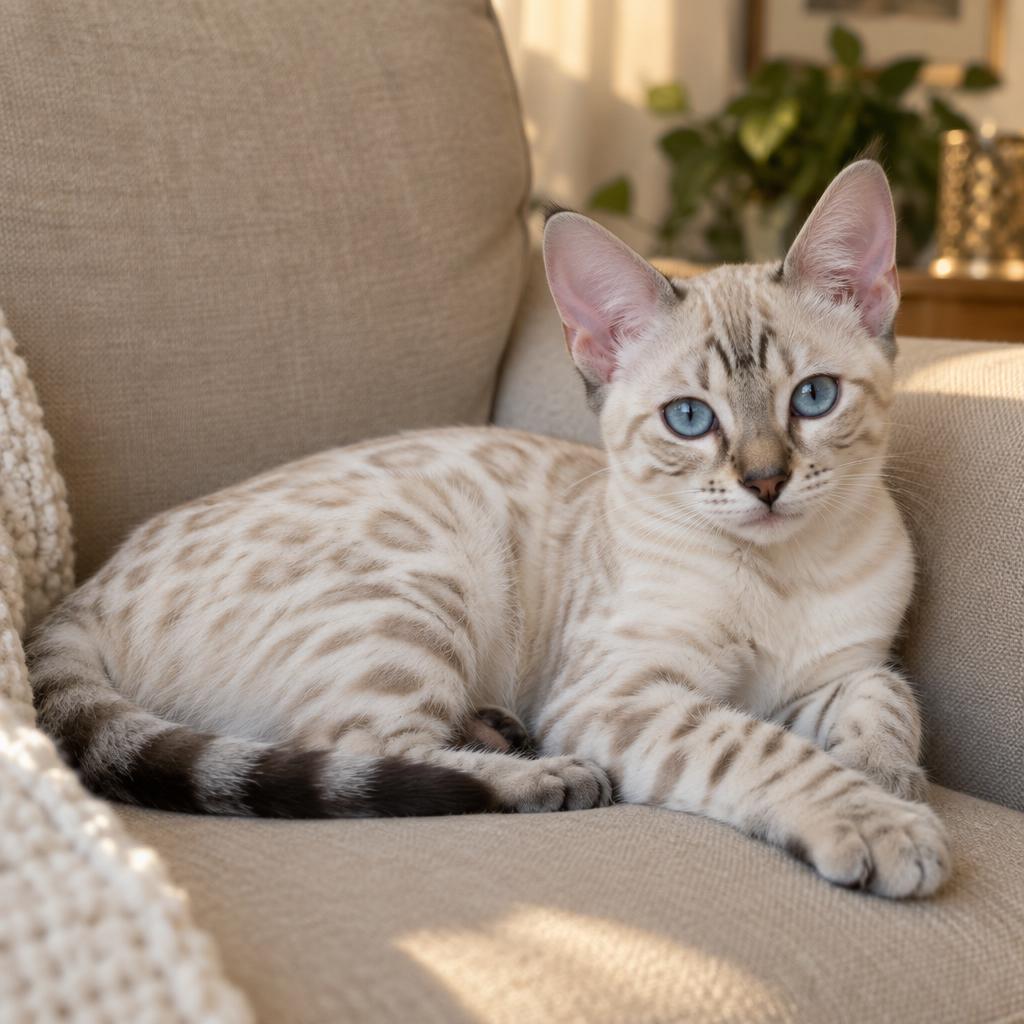
Bengal · Snow lynx
Gentle, glittered and a shameless lap-sitter after playtime.
Pedigree & full document pack included
View detailsAsk price on WhatsAppEmail enquiry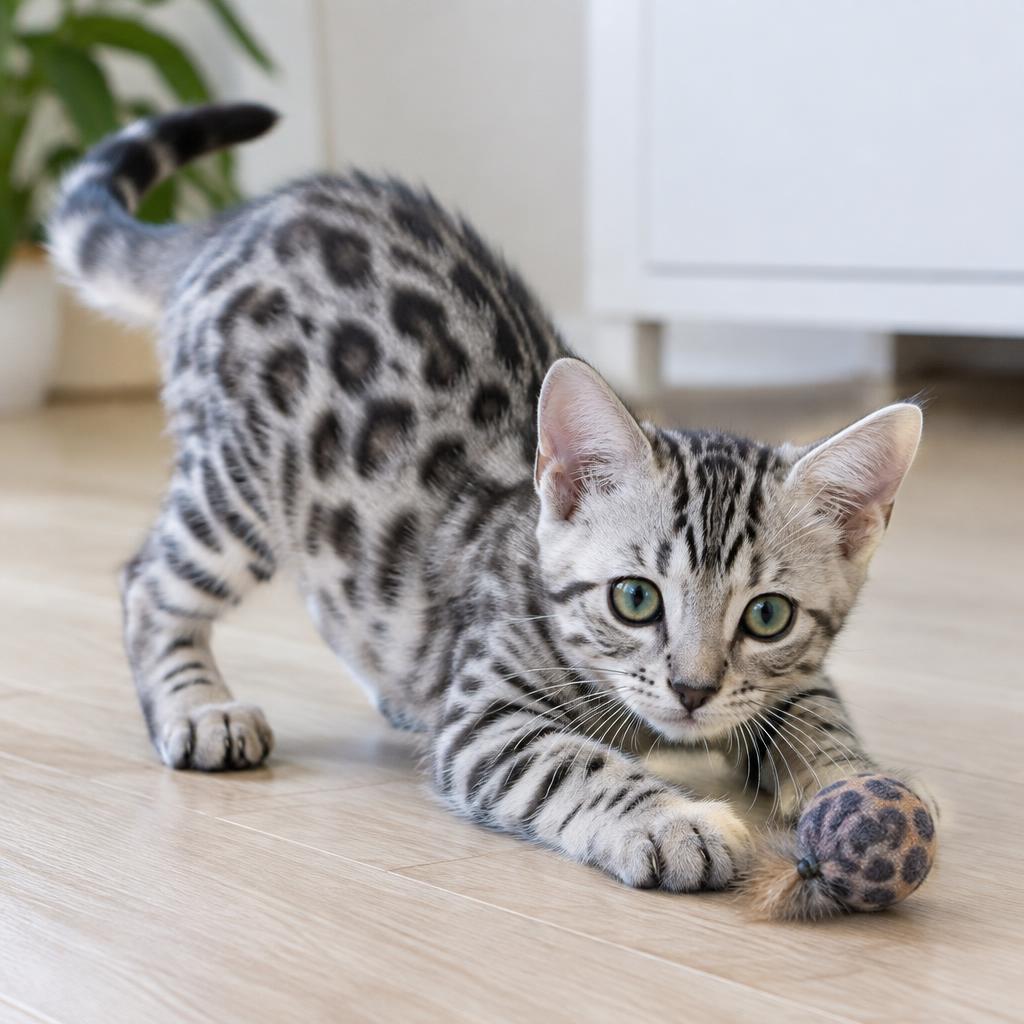
Bengal · Silver charcoal
Athletic and playful, loves fetch, water and the highest shelf in the house.
Pedigree & full document pack included
View detailsAsk price on WhatsAppEmail enquiry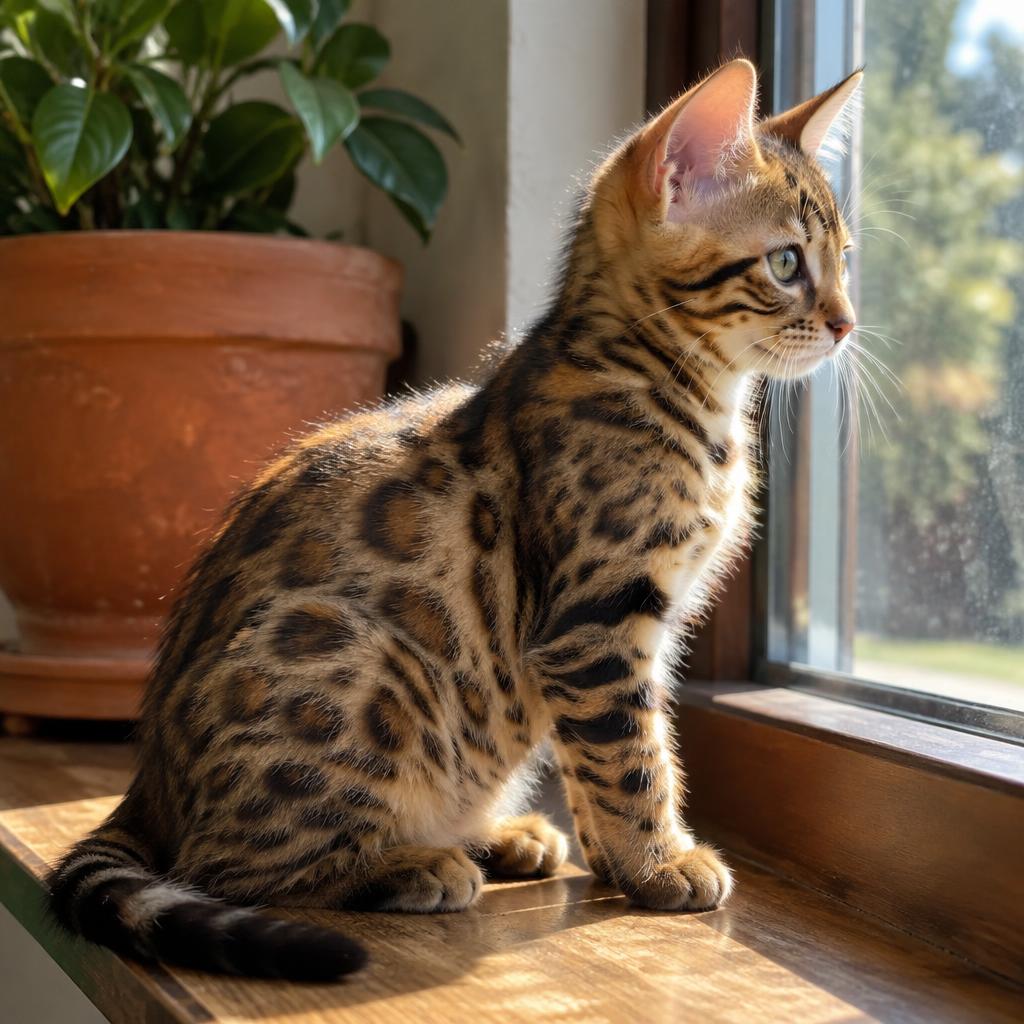
Bengal · Brown rosetted
A pocket-sized adventurer — first to the window, first to greet visitors.
Pedigree & full document pack included
View detailsAsk price on WhatsAppEmail enquiry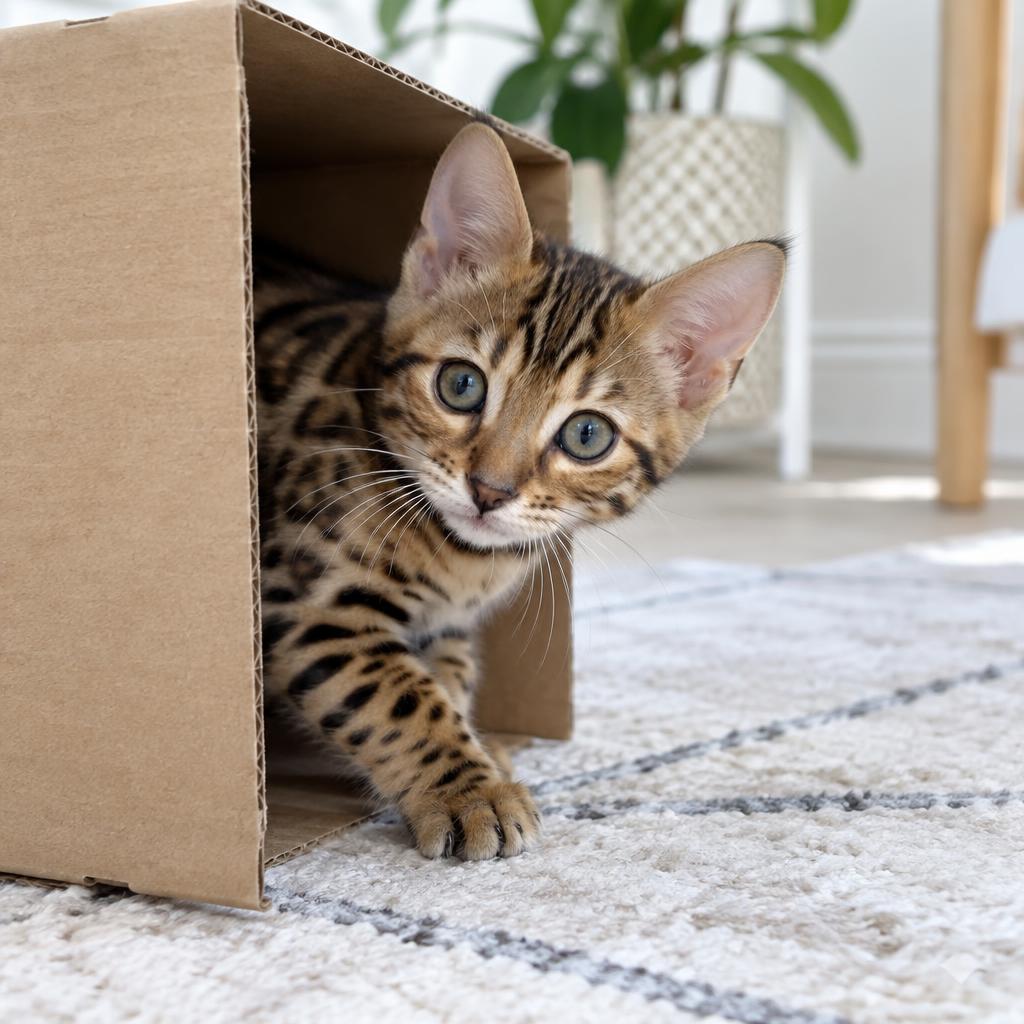
Bengal · Brown rosetted
Confident and clownish, he turns every box into a fortress.
Pedigree & full document pack included
View detailsAsk price on WhatsAppEmail enquiry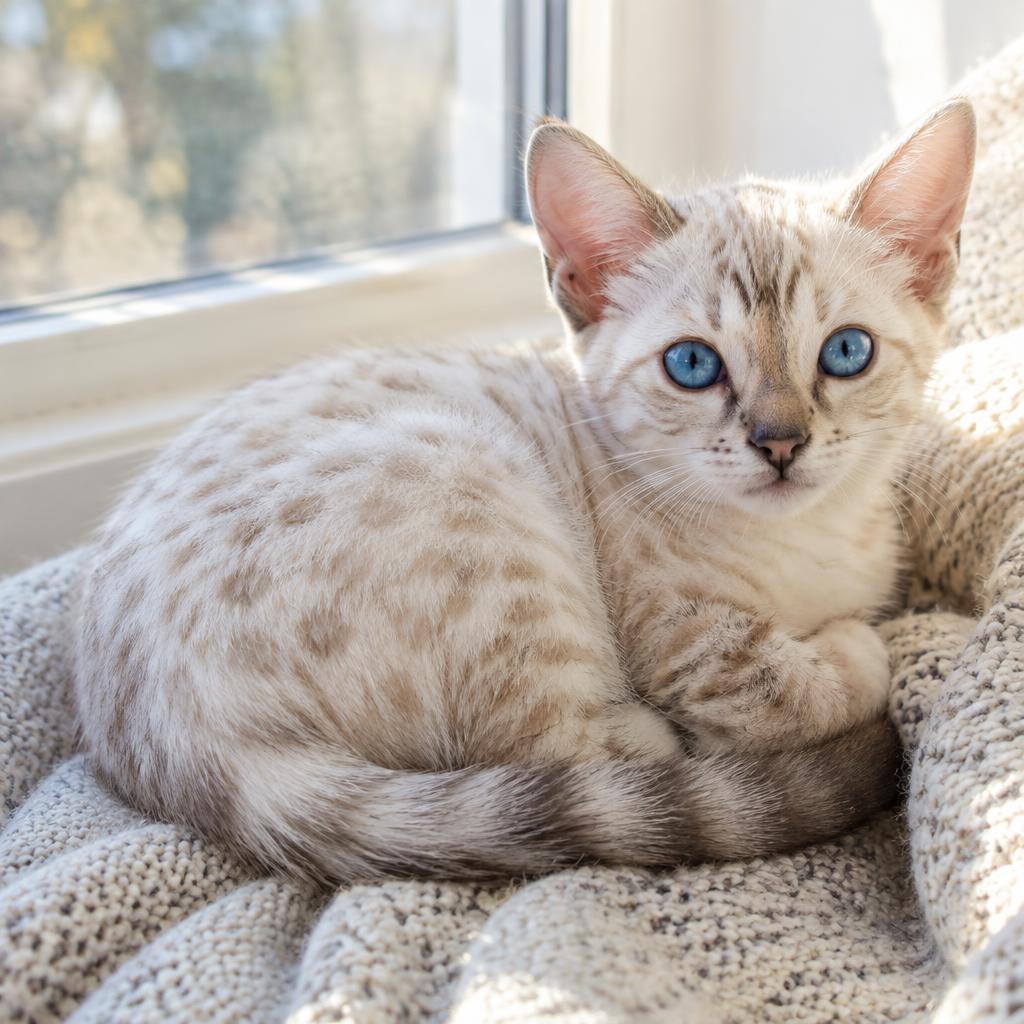
Bengal · Snow lynx
Soft-voiced and glittered, she adores warm laps and sunny ledges.
Pedigree & full document pack included
View detailsAsk price on WhatsAppEmail enquiry